

In the world of organizational conduct, the concept of character plays a pivotal position in shaping dynamics, interactions, and results inside offices. Understanding how persona influences conduct, decision-making, and group dynamics is vital for fostering a efficient and harmonious paintings environment. From hiring approaches to crew collaboration and management improvement, spotting the significance of persona in organizational conduct can result in extra powerful management techniques and advanced average performance.
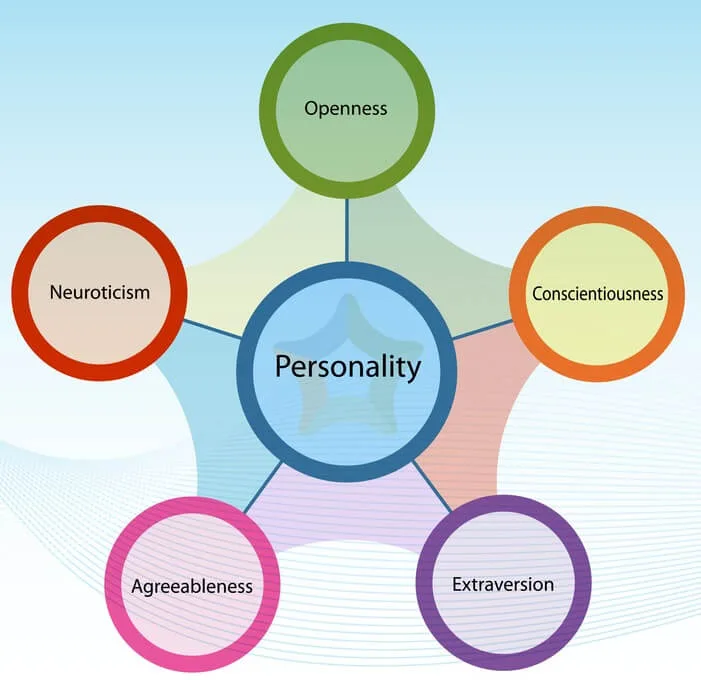
Personality in organizational conduct refers back to the particular set of characteristics, trends, and behavioral styles that people show off in numerous work-associated conditions. These trends encompass a wide range of dimensions, including however no longer restrained to extraversion, agreeableness, conscientiousness, emotional stability, and openness to revel in. Researchers have long studied the impact of persona on job overall performance, activity pleasure, management effectiveness, and organizational tradition, revealing precious insights into how people have interaction within the place of job.
One of the number one areas wherein the influence of character in organizational behavior is evident is in the recruitment and choice manner. Organizations often make use of personality assessments and psychometric checks to assess candidates’ suitability for unique roles. By figuring out candidates whose personalities align with the activity necessities and organizational lifestyle, employers could make more knowledgeable hiring selections, thereby growing the likelihood of worker satisfaction and retention.
Moreover, persona tendencies can extensively effect team dynamics and collaboration. Teams composed of people with diverse personality profiles can also carry distinct views, competencies, and techniques to problem-fixing, fostering creativity and innovation. However, conflicting personalities within teams can also cause interpersonal conflicts and conversation breakdowns if no longer managed effectively. Therefore, team leaders and bosses ought to be attuned to the various persona dynamics within their groups and put in force strategies to leverage strengths at the same time as mitigating capacity conflicts.
In addition to its implications for character and crew-degree dynamics, personality also performs a essential position in management effectiveness. Different leadership patterns may be greater like minded with certain character developments, influencing how leaders encourage, communicate, and make choices. For instance, extraverted leaders may also excel in roles that require aura, assertiveness, and the potential to encourage others, whilst introverted leaders may demonstrate energy in strategic planning, analytical questioning, and fostering deep connections with group members. By information their very own character trends and those of their group participants, leaders can adapt their management patterns to maximize effectiveness and create a wonderful organizational subculture.
Furthermore, the have a look at of persona in organizational behavior extends to worker engagement and motivation. Individuals are much more likely to be engaged and encouraged while their paintings aligns with their values, hobbies, and persona options. For instance, employees with a excessive want for autonomy and creativity might also thrive in roles that allow for independence and innovation, even as folks that price stability and shape may opt for clear pointers and installed techniques. By tailoring activity roles and obligations to people’ character profiles, groups can decorate task satisfaction, performance, and normal worker properly-being.
Another issue of organizational behavior wherein character performs a full-size role is in war resolution and negotiation. Different character trends might also impact how individuals technique conflicts, assert their pastimes, and are trying to find resolution. For example, individuals excessive in agreeableness might also prioritize maintaining harmony and seek compromise for the duration of conflicts, while those low in agreeableness can be more inclined to claim their personal pastimes assertively. By knowledge the various character profiles of stakeholders involved in conflicts, managers and mediators can rent strategies that efficaciously deal with underlying issues and facilitate collectively beneficial resolutions.
Moreover, the idea of character in organizational behavior extends beyond man or woman differences to encompass broader organizational way of life and weather. Organizational way of life, which reflects shared values, norms, and beliefs within an business enterprise, can shape employee behavior, attitudes, and perceptions. By fostering a tradition that values diversity, collaboration, and open communication, organizations can create an surroundings wherein people feel empowered to contribute their specific perspectives and skills, leading to more innovation and organizational achievement.
In end, the function of personality in organizational behavior is multifaceted and some distance-achieving, influencing various aspects of workplace dynamics, from recruitment and team collaboration to leadership effectiveness and organizational lifestyle. By recognizing the significance of character in shaping individual behavior and interactions within groups, managers and leaders can put into effect strategies to leverage strengths, mitigate conflicts, and foster a tremendous paintings surroundings conducive to employee engagement and organizational success.
